It is time to go. The play is finished.
When it is time to go
Why does leaving turn into a meltdown?
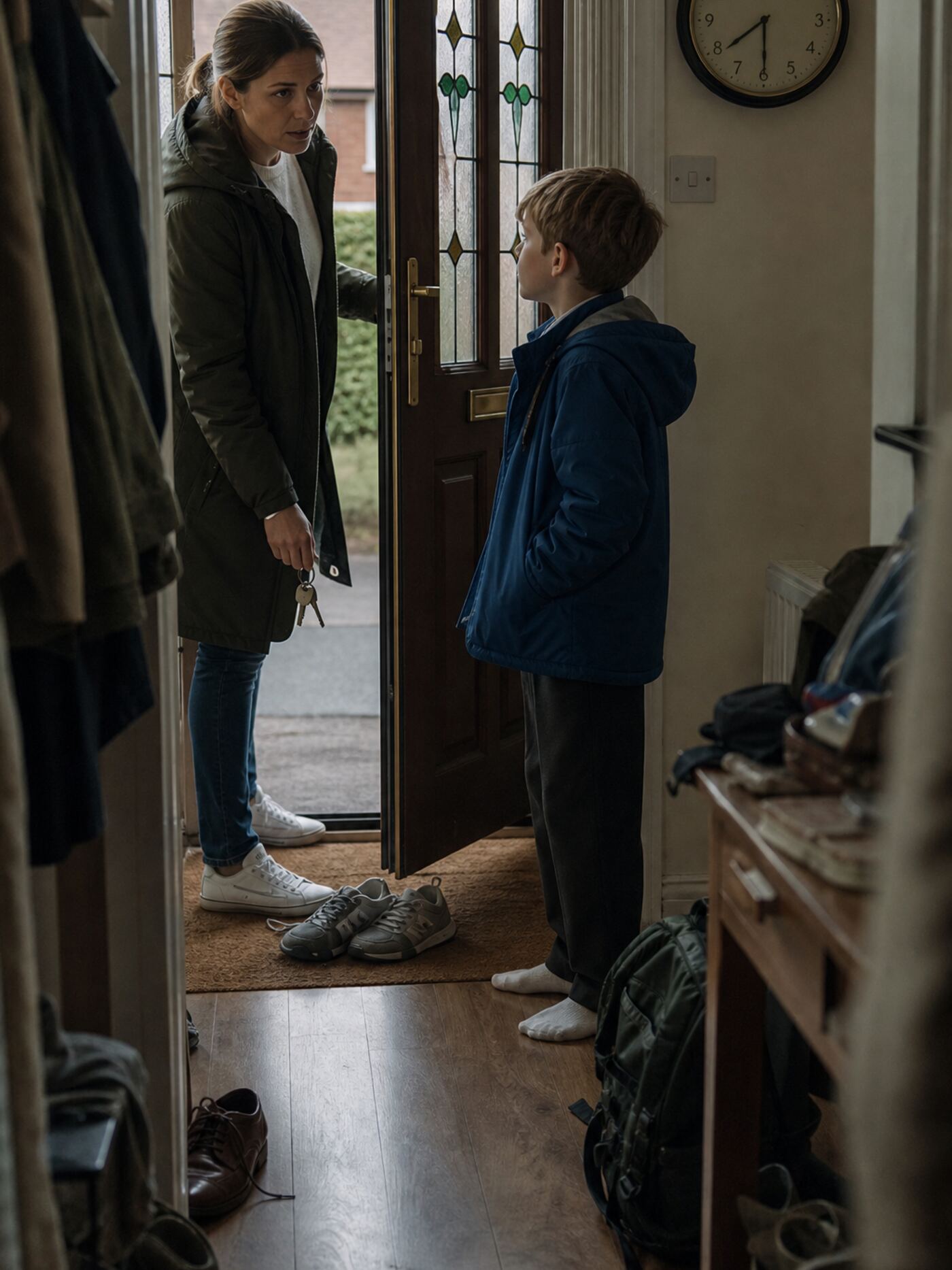
You gave the warning. You set the timer. You said it was time. Your child is still refusing to move, and you are carrying them to the car again.
Recognition
You already tried the obvious things
A ten-minute warning, then a five-minute warning.
A timer, a choice, and one more reminder.
Explaining why you need to leave.
Staying calm until you have no calm left.
Why it changes
The hard part is the change, not the destination
Stopping something absorbing and moving into the next thing can make the first step feel impossible. More explanations do not always create movement. The useful skill is recognising the change, choosing one action, and moving before the negotiation grows.
The response
The next 10 seconds
Choose the first physical move: stand up, shoes, or hand.
Start that move without opening the negotiation again.
Before pressure
Train it before the next departure
SharpSeed Independence gives you a short response to practise while everyone is calm. Then you can use the same words when the park, screen, bath, or friend’s house has to end.
Kids Independence
A 7-day training protocol for starting the next move when nobody feels ready to stop.
Questions
Before you start
Is this about making my child obey immediately?
No. It is about practising a repeatable transition response so the next move does not depend on a long speech or a parent carrying the whole moment.
Can I use it outside the playground?
Yes. The same structure can support leaving a friend’s house, turning off a screen, getting dressed, or moving from one part of the evening to the next.